Your systems, finally talking to each other.
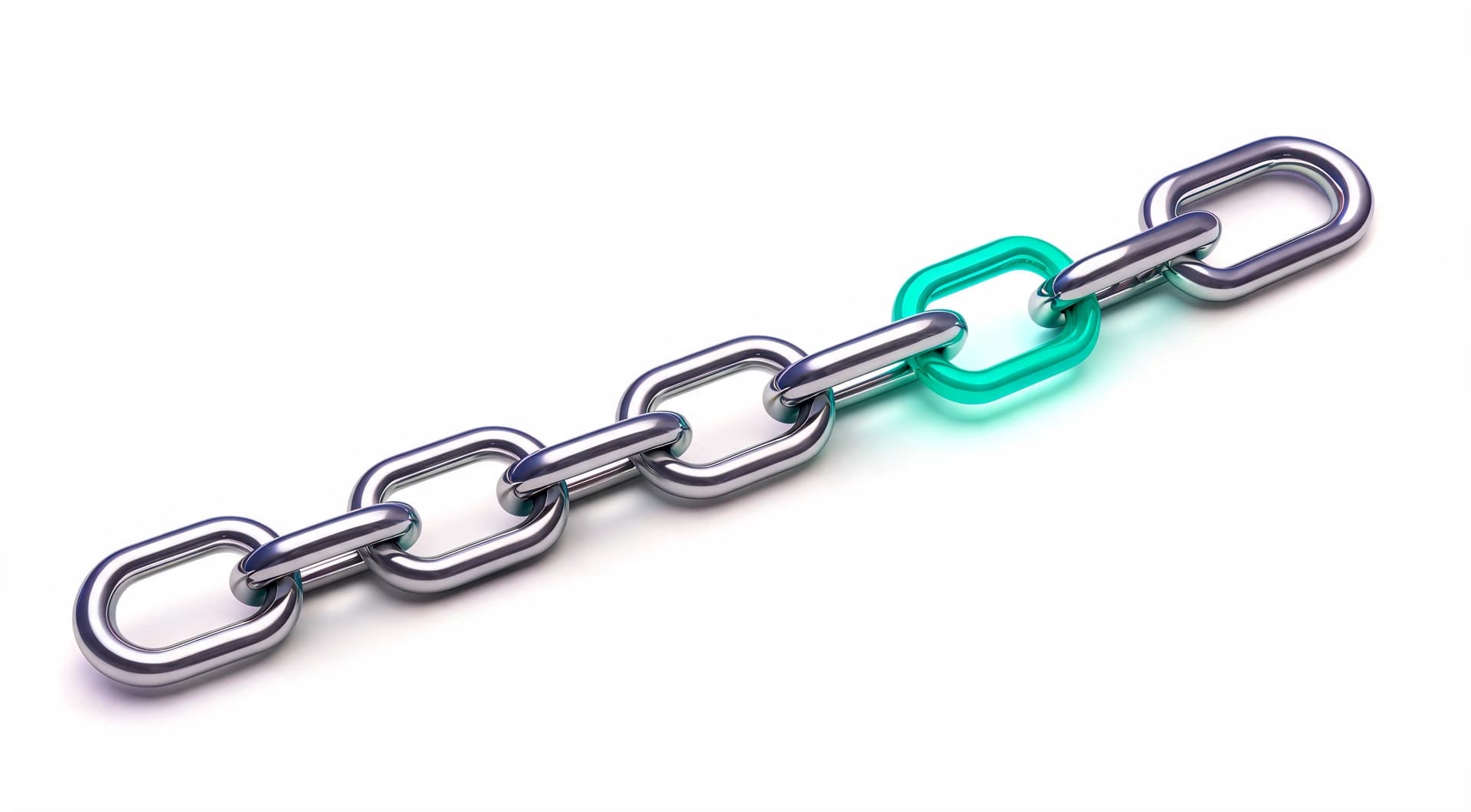
Most companies do not have a software problem. They have five pieces of software that have never been introduced. The CRM does not know what the shop sold, accounting does not know what the CRM promised, and someone spends their afternoon reconciling the three. Integration is what removes that afternoon.
The symptoms
You do not need an audit to recognise this. You need to recognise one of these.
The same customer exists three times
, spelled differently, with three different phone numbers, and nobody knows which is current.
A stock figure that is true nowhere.
The shop says one thing, the ERP another, the warehouse a third. Everyone has learned which one to distrust.
A monthly export ritual.
Someone downloads a file from one system and uploads it to another, and everyone hopes nothing changed in the meantime.
Questions nobody can answer quickly.
How much did this client bring in last year, across all channels? The answer exists — spread across four systems, and it takes a day to assemble.
Each of these is the same underlying fact: your data has no single home.
What integration actually means
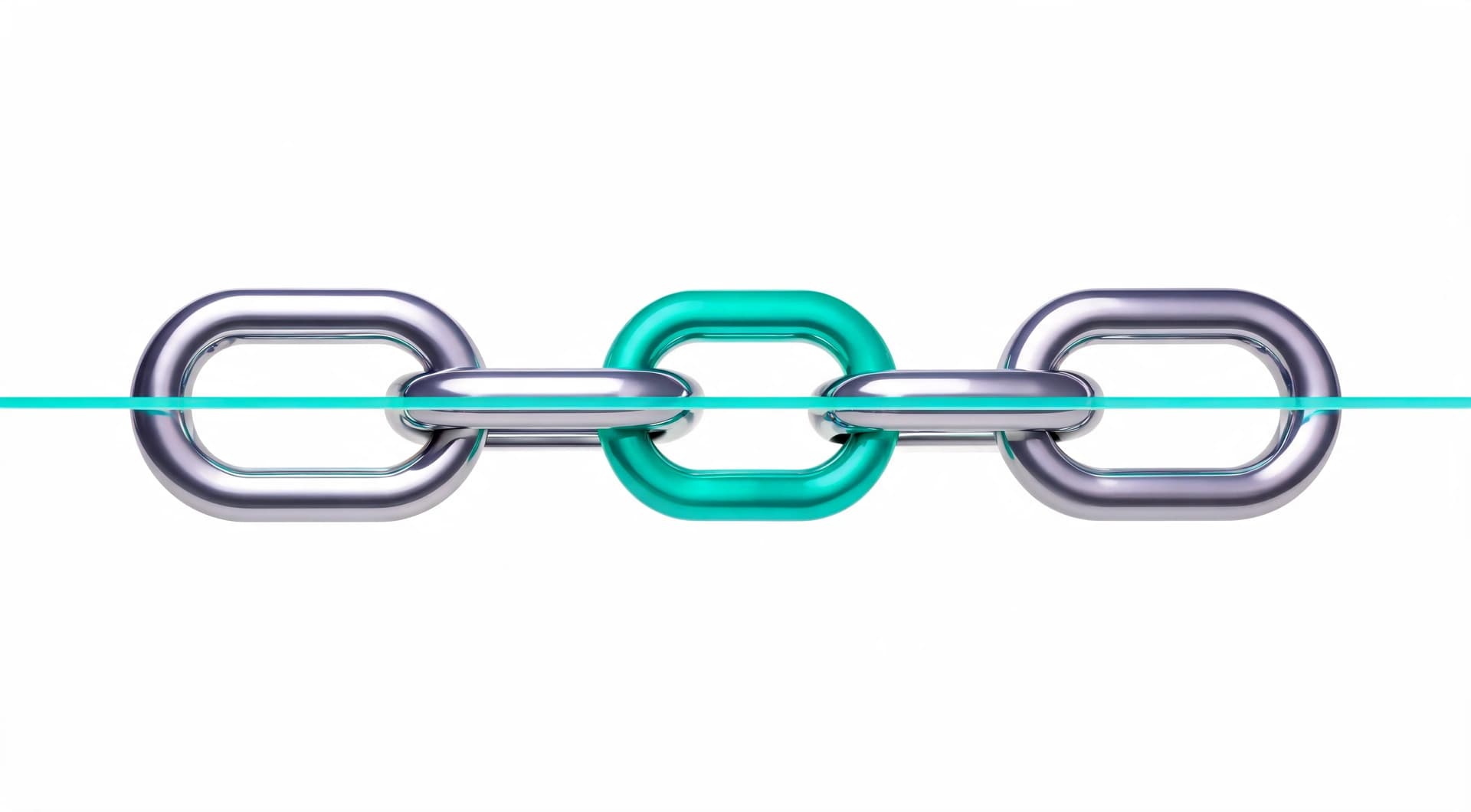
Not replacing your software. Connecting it.
One source of truth per kind of data.
Customers live in one system and are read everywhere else. Stock lives in one place. Invoices in one place. This decision is most of the work, and it is a business decision more than a technical one — we help you make it, we do not make it for you.
Synchronisation in the right direction.
Data flows from where it is created to where it is read, and never in both directions at once without an explicit rule. Two-way sync without a conflict rule is how you get corruption that nobody notices for six months.
Reconciliation before connection.
Two systems holding the same customer under different identifiers cannot be linked until you decide who is who. This step is unglamorous and it is where integrations succeed or fail.
Errors that are visible.
A synchronisation that fails silently is worse than none: you keep trusting numbers that stopped updating. Everything we build reports its own failures.
What we connect
- CRM to accounting.
- E-commerce to ERP and stock.
- Website forms to CRM.
- Payment platforms to invoicing.
- Internal tools to whatever they need.
- Point-of-sale to central inventory.
And when a system genuinely has no way in — no API, no export, nothing — we say so plainly. Sometimes the honest recommendation is to change that one tool rather than build a fragile bridge to it that breaks at every update.
How we work
A call, first.
We start with a free 30-minute call to hear the symptoms.
Then a map.
Then a map of your systems, the data each one holds, and where the duplicates are — this is usually the moment the real problem becomes visible, and it is often not the one you called about.
Then one flow.
Then we connect one flow, the highest-volume one, and let it run. One working connection teaches more than a complete plan on paper. The rest follows once we know how your data really behaves.
Proof
Verdia
runs on a headless CMS architecture designed for B2B lead generation, where content and commercial data are separate systems that stay in step. It is the same discipline as an integration: one place per kind of data, and clean flow between them.
What it costs
1,500 – 5,000 $
one connection between two systems, one direction, one kind of data.
5,000 – 10,000 $
several flows around one process, with monitoring and error reporting.
10,000 – 20,000 $
a real integration layer: multiple systems, reconciliation, a supervision interface.
20,000 $ and above
a data platform: your systems around a single source of truth, maintained over time.

Frequently asked questions
- Do we have to change our current software?
- Usually not, and we would rather you did not. Replacing working software is expensive and disruptive. We connect what you have, and only recommend a change when a tool is genuinely the obstacle.
- What if our software has no API?
- There is almost always another route — a scheduled export, a database connection, a monitored file drop. It is less elegant and it works. If there is truly no way in, we will tell you that too.
- How long does synchronisation take to run?
- It depends on what the data is for. Stock usually needs to be near-immediate; accounting rarely does. We set the rhythm per flow, because real-time everywhere is expensive and mostly unnecessary.
- What happens if a synchronisation fails?
- It reports itself. The flow stops rather than writing partial data, the error is logged with enough context to fix it, and the person responsible is notified. Silent failure is the one outcome we design against.
- Can we see what is happening?
- Yes. Anything beyond a single simple flow comes with a supervision view: what ran, what succeeded, what is waiting, what failed and why.
- Who owns the connections?
- You do. The code, the credentials and the documentation are yours at handover, like everything else we build.
Tired of retyping the same data? Book a free 30-minute call. Tell us which systems you run, and we will tell you what can be connected and in what order. No commitment.